
A business can install an EV fast charger and discover the real cost later, when the utility bill shows a new power peak. The charger may be working perfectly. The site energy plan may not be.
Commercial electricity bills often include demand charges, which are based on the highest power draw during a billing period. The U.S. Energy Information Administration tracks demand-based commercial rate structures, and fast charging can make those peaks more visible.
Fast Charging Creates Short, Sharp Loads
Energy is the total amount used. Power is the rate of use. EV fast charging can create a high power draw even if the total monthly energy use seems manageable.
Battery storage behind the charger can smooth that draw. The site can charge the battery more gradually and discharge it when vehicles plug in. That strategy is often called peak shaving.
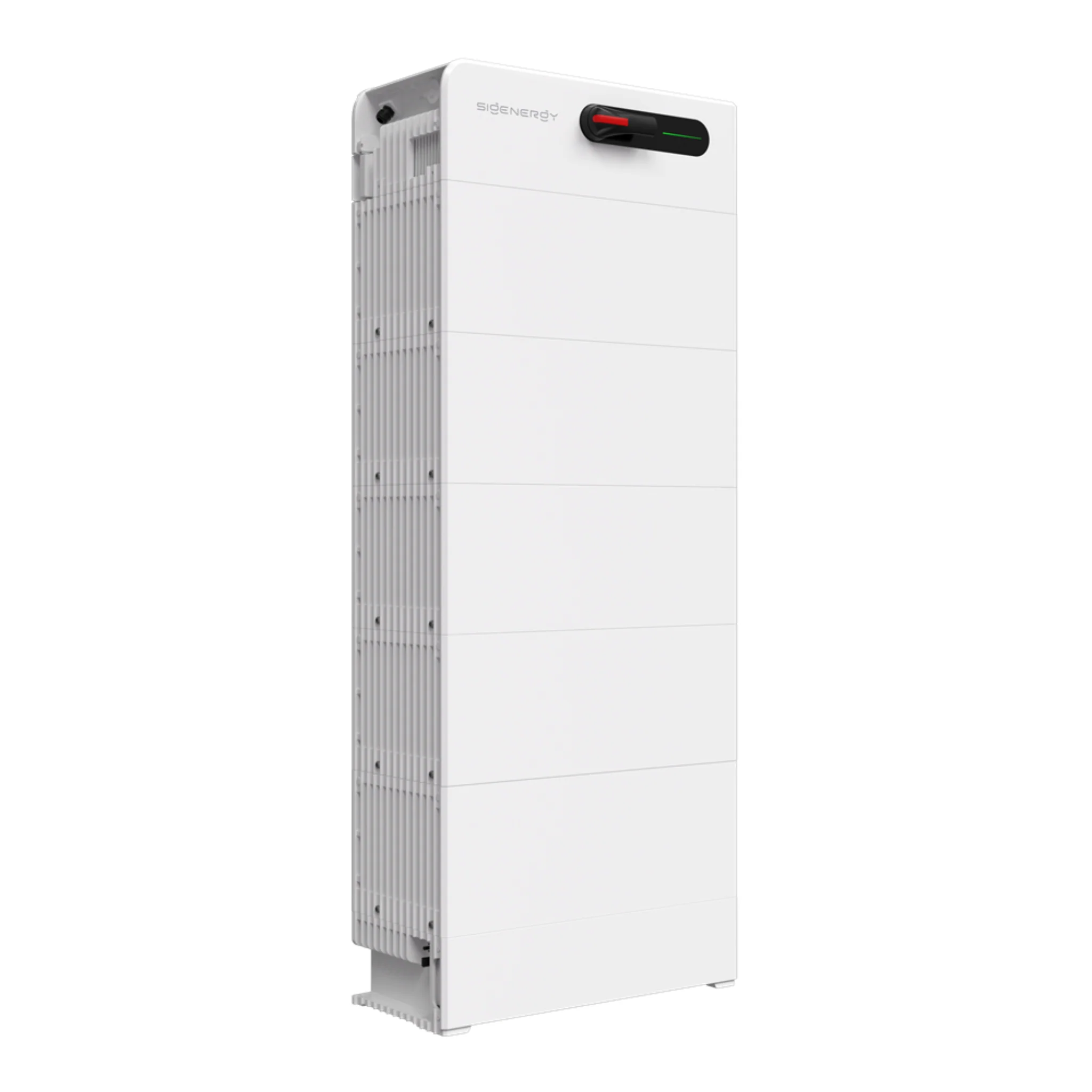
For commercial and industrial sites, SigenStack commercial battery storage is relevant because it frames EV charging as part of a larger facility energy system, not just a parking-lot amenity.
When Storage Deserves a Serious Look
Battery storage is worth studying when the site has several chargers, demand charges, limited service capacity, solar panels, or resilience requirements. It can also help when a utility upgrade is expensive or slow.
The International Energy Agency’s Global EV Outlook 2026 says electric car sales exceeded 20 million in 2025. As EV adoption grows, more businesses will face charging demand from employees, guests, delivery vehicles, and fleets.
That does not mean every business needs the same setup. A hotel with overnight charging, a warehouse with delivery vans, and a retail site with short customer visits have different load shapes.
Load shape is the pattern of energy use over time. A charger that runs steadily overnight creates a different utility profile than three vehicles arriving at lunch and charging at once. Battery storage is most valuable when those short peaks are expensive, disruptive, or hard for the local service connection to support.
The Charger Still Matters
Storage helps manage the building side of the equation. The charging hardware still needs to match the vehicles, dwell time, and future expansion plan. For sites considering bidirectional EV use or higher-control charging, Sigen EVDC/V2X provides a useful reference point for 25 kW bidirectional DC charging, according to Sigenergy product information.
The planning conversation should include utility rates, peak-load estimates, charger utilization, solar output, and backup priorities. It should also ask what happens if the site adds two more chargers later.
Build for the Second Phase
The first charger often looks simple. The second and third chargers reveal whether the site was planned well. Electrical infrastructure is expensive to redo, so businesses should model likely growth before choosing hardware.
That model should include a bad day, not only an average day. More vehicles, colder weather, lower solar output, or a delayed utility upgrade can all change the economics.
Battery storage is not mandatory behind every fast charger. It becomes valuable when peaks, resilience, solar use, or grid limits would otherwise make charging harder to operate. The right system turns EV charging from a surprise load into a managed service.