
Содержание
Home battery storage has moved from niche solar add-on to mainstream home infrastructure. More homeowners are comparing batteries for outages, time-of-use rates, solar self-consumption, and all-electric living. The challenge is that a battery quote can hide a lot of detail behind one capacity number.
Start With the Job the Battery Must Do
The first decision is not brand or chemistry. It is the job. A battery used mainly for outage backup may keep more reserve and cycle less often. A battery used for bill optimization may charge and discharge daily. A solar-paired battery may focus on storing midday production for evening use. EnergySage reported in its 2026 guide that home backup batteries can be used with or without solar, and that average listed battery cost was ,128 per kWh of stored energy. That figure is helpful, but it does not replace a site-specific quote.
Capacity and Output Are Different
Capacity, measured in kilowatt-hours, shows how much energy the battery can store. Output, measured in kilowatts, shows what it can run at once. A homeowner may have enough energy for a long evening, but not enough output for a central air conditioner, electric oven, and well pump at the same time. Any proposal should explain both numbers in plain language.
Smart Controls Make Storage More Useful
Modern home battery storage is as much about control as storage. The system needs to decide when to charge, when to discharge, how much reserve to preserve, and whether large loads should wait. Without that logic, a battery can either sit underused or drain itself before an outage. A homeowner should ask what the app shows and whether modes can be changed without a service visit.
Backup Planning Should Be Specific
Instead of asking whether a battery backs up the house, ask which loads will run. Refrigerator, internet, lights, outlets, garage door, sump pump, well pump, HVAC, and EV charging all behave differently. Reddit solar discussions often show the same divide: some homeowners are satisfied with essential backup, while others want whole-home convenience and accept the higher cost.
Compare Systems, Not Cabinets
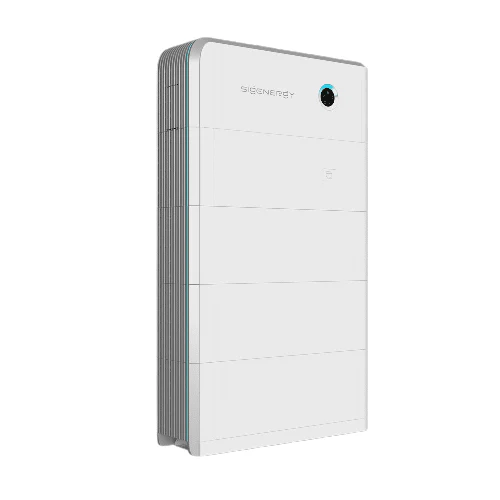
A useful quote includes battery modules, inverter equipment, backup switching, permits, labor, utility paperwork, monitoring, and any panel work. It should also show assumptions about incentives and rate plans. Homeowners exploring broader residential energy options can review Sigenergy home energy solutions as a starting point for thinking about storage, smart controls, and home energy design together.
A practical proposal should also include a plain-language operating scenario. What happens on a normal weekday, during a high-price evening, and when the grid fails after sunset? Those examples reveal more than a spec sheet because they show how the battery, loads, and controls behave together.
The homeowner should ask for assumptions in writing: usable battery capacity, supported loads, solar behavior if applicable, reserve settings, rate-plan logic, and incentive assumptions. According to NREL, installed storage costs depend on configuration and site conditions, so transparency is part of good design.
It is also smart to compare the battery with other home upgrades. Better insulation, a more efficient HVAC system, smarter EV charging, or a revised utility plan can change the amount of storage needed. Batteries work best as part of a whole-home energy plan.
The final check is usability. A system that requires constant attention will eventually be ignored. A good home battery setup should make daily energy decisions visible, adjustable, and calm enough that the household can trust it during both ordinary evenings and stressful outages.
Local context matters as much as hardware. Utility tariffs, outage history, climate, solar access, and household routines can make the same battery feel valuable in one home and unnecessary in another. That is why a quote should be based on actual usage data whenever possible.
The installer should also explain what happens as the home changes. A second EV, a heat pump, an induction range, or a new time-of-use plan can shift the load profile. Expandability, app controls, and clear operating modes help the system stay useful after the first year.
Finally, the homeowner should avoid comparing only headline capacity. Usable capacity, output rating, backup transfer behavior, load control, warranty terms, and monitoring all affect real performance. Those details determine whether stored energy becomes a reliable household tool or just an expensive reserve.
A careful homeowner can also ask for a simple one-page summary before signing. It should list the backed-up loads, expected runtime range, battery reserve settings, installation assumptions, and what is excluded from the quote. That document helps prevent confusion later, especially when the project includes utility paperwork, electrical upgrades, or future solar and EV plans.
If the proposal includes savings estimates, the inputs should be visible. Peak prices, off-peak prices, export credits, demand charges, and expected cycling all affect the result. Clear assumptions make it easier to decide whether the battery is being purchased for financial return, outage comfort, or a mix of both.
That clarity is worth asking for before equipment is ordered.
The best 2026 battery decision is not the biggest pack. It is the system that matches the home’s outage risk, rate plan, daily loads, and future appliances.